 Business License

Some Reflections on QCM-D and EQCM in Materials Research
Recently, I have been using quartz crystal microbalance techniques, particularly QCM-D and EQCM, to investigate interfacial processes in materials science, including electrode–electrolyte interactions in lithium-based batteries.
In our experiments, we have mainly used a Biolin Scientific QCM-D system, together with electrochemical equipment and suitable electrochemical cells for EQCM-related measurements. These techniques allow us to monitor interfacial mass changes in real time. QCM-D provides information on both frequency and energy dissipation, which is particularly useful when studying soft, viscoelastic surface layers. EQCM, on the other hand, enables us to correlate mass changes with electrochemical processes such as ion insertion, deposition, dissolution, and the formation of interfacial films.
One area that has attracted considerable attention in our recent work is the formation and evolution of electrode–electrolyte interphases in lithium-based batteries. During charging and discharging, reactions between electrode materials and electrolytes can lead to the formation of surface films, including the solid electrolyte interphase (SEI). These interfacial processes can significantly affect ion transport, electrode stability, and long-term electrochemical performance.
QCM-based techniques provide a useful way to investigate these processes in situ. For example, EQCM can help track mass changes associated with lithium deposition and stripping, while QCM-D can provide additional information about changes in the mechanical and viscoelastic properties of interfacial layers. However, frequency and dissipation measurements alone cannot identify the chemical composition of the reaction products. Therefore, combining QCM measurements with complementary techniques such as XPS, XAS, and electrochemical impedance spectroscopy is important for obtaining a more complete understanding.
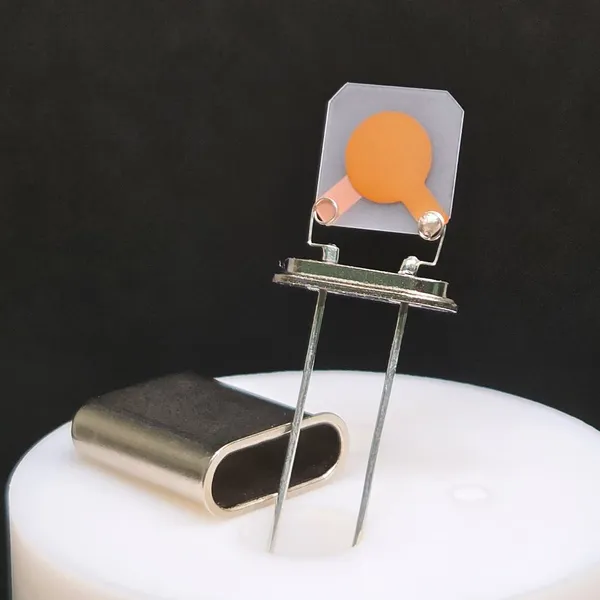
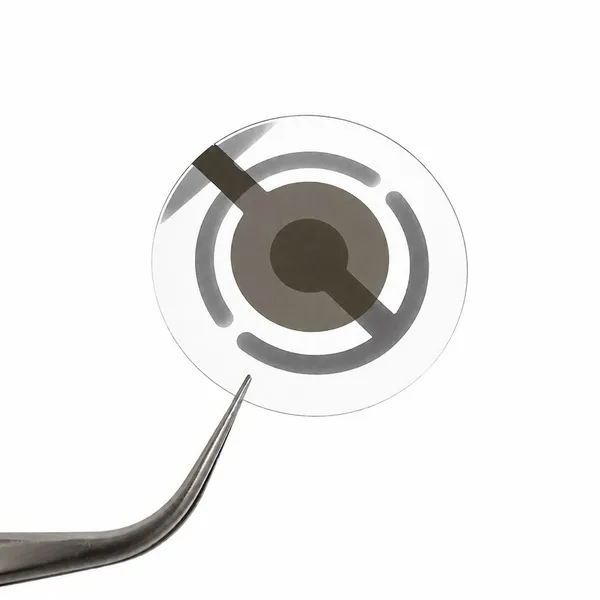
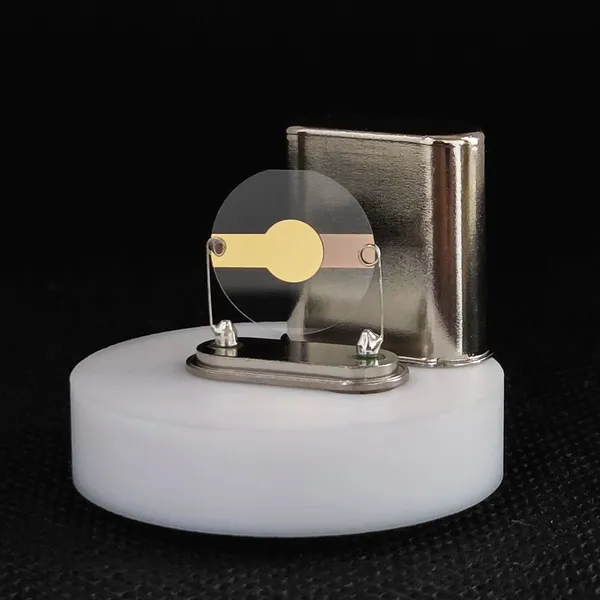
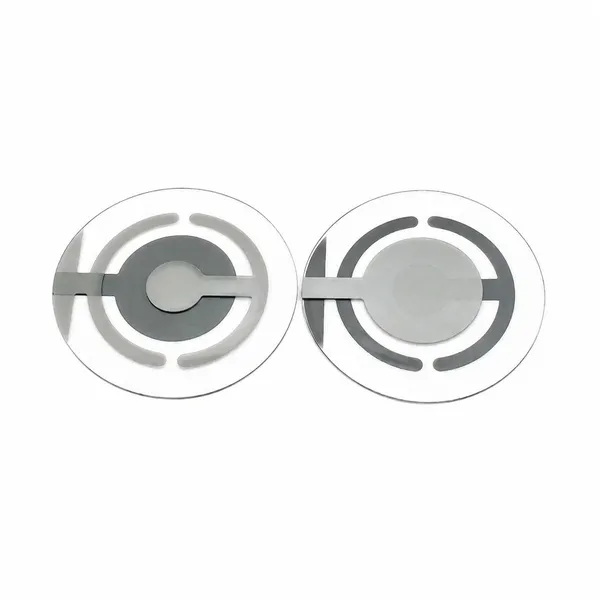
In terms of sensors, we have used original Biolin QCM crystals with different electrode materials, including copper, nickel, titanium, and molybdenum. We have also tested QCM sensors from two Chinese suppliers, Renlux Crystal and Microbalance Tek. Their sensors cover a range of electrode and coating materials, including copper, nickel, titanium, molybdenum, and carbon-based coatings.
Based on our experience with the models and experimental conditions we have tested, the performance differences among these suppliers have generally not been very significant. In some cases, the Chinese suppliers have offered greater flexibility in adapting sensor designs to our specific experimental requirements.
For example, when working with copper-coated sensors, we may need to adjust the copper layer thickness, determine whether a gold underlayer should be included, or change the active electrode area. These parameters can influence the surface properties, electrochemical response, mass loading, and suitability of a sensor for a particular experiment.
One practical difference we have noticed is that some of the standard sensor configurations we regularly use from Biolin are relatively fixed. By contrast, during our discussions and sample development with Renlux Crystal and Microbalance Tek, we have found them more flexible in adjusting sensor structures according to our experimental conditions. This does not mean that Biolin cannot provide customized sensors; Biolin also offers custom QSense sensor solutions. Rather, our experience is that the Chinese suppliers have been particularly responsive to certain non-standard design requirements.
This flexibility is valuable in materials research. Instead of having to adapt every experiment to the limitations of an existing standard sensor, researchers can sometimes adjust the sensor itself to better match the experimental objective. For instance, changing the copper thickness or electrode area, or selecting a different underlayer, may make it easier to investigate specific interfacial reactions. Such design flexibility can also make experiments possible that would otherwise be difficult to carry out using standard sensor configurations.
Recent publications also demonstrate the growing role of QCM-based techniques in battery research. A 2024 study published in Energy & Environmental Science, titled “Robust battery interphases from dilute fluorinated cations,” used a Biolin QCM-D instrument to investigate interphase formation in lithium-metal batteries. The researchers used copper-coated quartz sensors for studying the solid electrolyte interphase and gold-coated sensors for related cathode interphase investigations. The work illustrates how QCM-D can provide useful information about the development and mechanical characteristics of battery interphases.
More recently, a 2026 study published in EES Batteries used EQCM, together with X-ray-based characterization techniques, to investigate interfacial chemistry in layered oxide cathode materials, including NMC622, NMC811, and NMC9055. The results highlight how nickel content can influence interfacial reactions and surface-product formation during electrochemical cycling. This is a good example of how EQCM can complement spectroscopic techniques in the study of battery electrode materials.
A 2026 review published in Advanced Science has also discussed the use of EQCM and related techniques in electrochemical energy-storage systems. It covers applications in lithium-ion batteries, zinc-ion batteries, and supercapacitors, including the investigation of charge-storage mechanisms, ion transport, and interfacial evolution. These developments suggest that QCM-based techniques are becoming increasingly useful tools for understanding dynamic electrochemical processes.
Overall, working with different QCM sensors has given me a better understanding of how important sensor design can be in materials research. The choice of electrode material, coating thickness, underlayer, and active area should not be treated as minor details. They can directly affect the quality and interpretation of experimental results.
After comparing sensors from Biolin, Renlux Crystal, and Microbalance Tek, I have become more open to using products from Chinese QCM sensor suppliers. Based on our own testing, their products have performed well in many of the applications we have explored. More importantly, their willingness to discuss and adjust sensor structures provides additional possibilities for experimental design.
For future work, I would like to explore more customized sensor configurations, particularly for studying battery electrode interfaces, metal deposition and dissolution, and the formation of surface films. I believe that closer collaboration between researchers and sensor manufacturers can help overcome some of the practical limitations of conventional sensor designs and create more opportunities for innovative experiments.
Selected References
1. Hong, C. N. et al. “Robust battery interphases from dilute fluorinated cations.” Energy & Environmental Science, 2024, 17, 4137–4146. DOI: 10.1039/D4EE00296B.
2. Theibault, M. J. et al. “Nickel-dependent interfacial chemistry in layered oxide cathodes: insights from X-ray photoelectron spectroscopy and electrochemical quartz crystal microbalance measurements.” EES Batteries, 2026, 2, 975–991. DOI: 10.1039/D6EB00021E.
3. Wang, Z., Cheng, S. and Feng, G. “Real-Time Investigation of Interfacial Evolution in Electrochemical Energy Storage Systems via EQCM.” Advanced Science, 2026, 13, e76503. DOI: 10.1002/advs.2026076503.
4. Krumov, M. R. et al. “Operando Investigation of Solid Electrolyte Interphase Formation, Dynamic Evolution, and Degradation During Lithium Plating/Stripping.” ACS Applied Materials & Interfaces, 2023, 15(40), 47692–47703. DOI: 10.1021/acsami.3c08485.
5. “Combining Operando Techniques for an Accurate Depiction of the SEI Formation in Lithium-Ion Batteries.” Batteries, 2025, 11(4), 117.
6. “Fabrication of EQCM-compatible LiCoO₂ thin-film electrodes via electrostatic spray deposition: Toward in situ leaching studies.” Materials Letters, 2026, 404, 139611. DOI: 10.1016/j.matlet.20215.139611.
Recently Posted
-
QCM/EQCM Technologies Powering Li-Ion Battery Interface Research
September 5, 2026Applications of Cu, Ni and Zn-Coated Quartz Crystal Microbalance Chips and 2026 AdvancesThe quartz crystal microbalance (QCM) and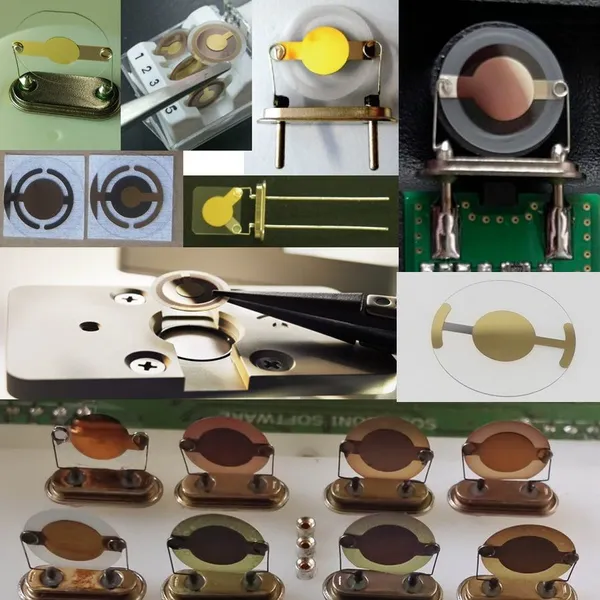 Read More
-
QCM922 Quartz Crystal Microbalance
March 18, 2026General Princeton Applied Research is proud to offer the QCM922 Quartz Crystal Microbalance. The QCM922, an instrument develo Read More
-
QCM sensor crystals used in Protein Interactions
January 6, 2026QCM sensors can be used for the direct, marker-free measurement of specific interactions between immobilized molecules and analyte Read More

Contact Us
Recommended Products
-
 5MHz Quartz Crystal Microbalance Crystal | 14mm Silver Coated QCM SensorNegotiableMOQ: 10 Blades
-
5MHz QCM Sensor Crystal 14mm GoldNegotiableMOQ: 10 Blades
-
Quartz Qcm Sensor Crystal 6MHz for Metrohm Autolab and Other EqcmUS$ 28 - 40MOQ: 10 Blades
-
9 MHz Quartz Crystal Sensors for Princeton QCM922/QCM934 EQCM SystemsNegotiableMOQ: 10 Blades
-
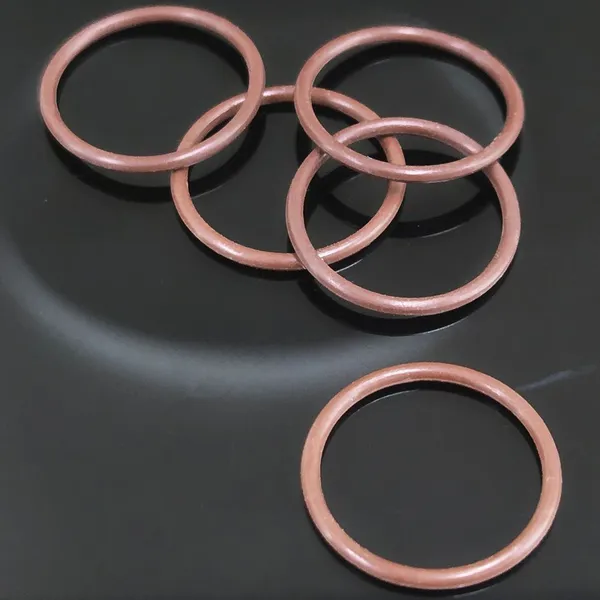
O‑rings Replacement for DuPont Kalrez®NegotiableMOQ: 10 Packs
-
Quartz Crystal Microbalance-QCM200-5MHzNegotiableMOQ: 5 Blades
-
Quartz Qcm Sensor Crystal 1MHz/3MHz/6MHz/20MHz for Metrohm Autolab and Other EqcmUS$ 28 - 40MOQ: 10 Blades
-
5MHz Quartz Crystal Microbalance Crystal | 14mm Gold Coated QCM SensorNegotiableMOQ: 10 Blades
-
QCM Sensor Crystal, Gold 9MHz/10MHz QCM922/934 EQCMNegotiableMOQ: 10 Blades
-
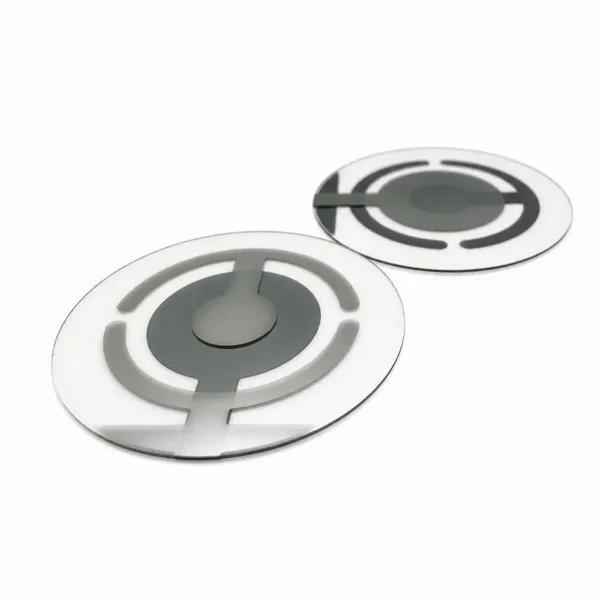
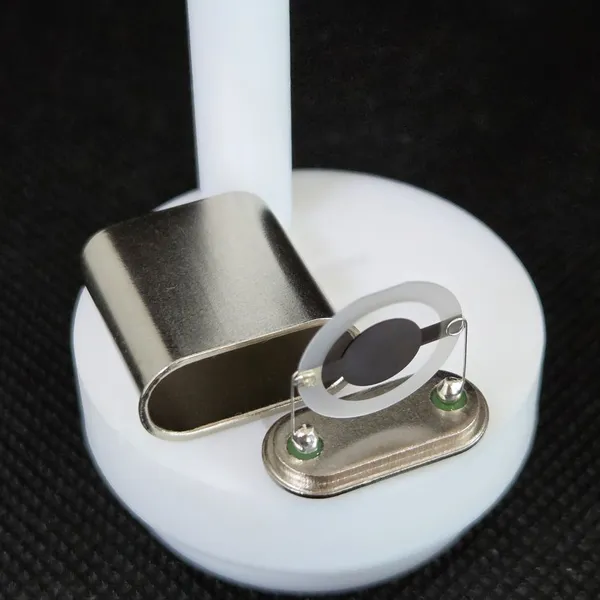
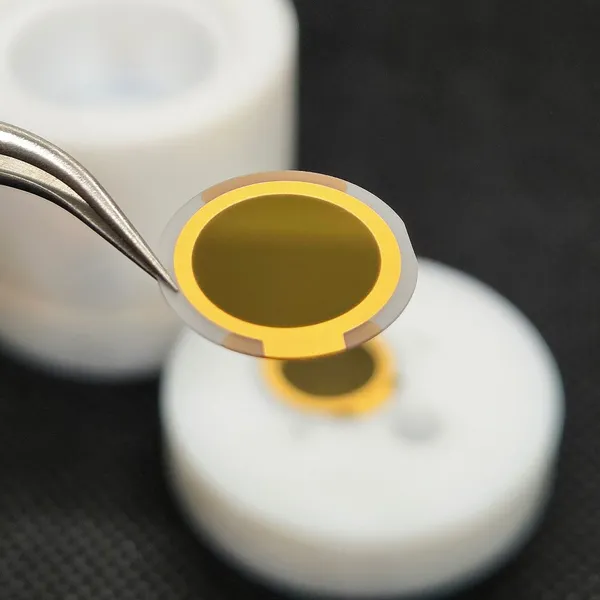
Quartz Crystal Microbalance 200-5MHz Quartz Crystal SensorsNegotiableMOQ: 5 Blades
-
Replacement for DuPont Kalrez® O‑ringsNegotiableMOQ: 10 Packs
-
QCM Sensor Crystal, Gold 6MHz for Metrohm Autolab EQCMNegotiableMOQ: 10 Blades
-
14mm Gold 5MHz QCM Sensor CrystalNegotiableMOQ: 10 Blades
-
Gold 8MHz /10MHz Qcm Sensor CrystalNegotiableMOQ: 10 Blades
-
Quartz Crystal Microbalance QCM Sensor 5MHz 1 Inch, QCM200/QCM300 EQCMNegotiableMOQ: 10 Blades